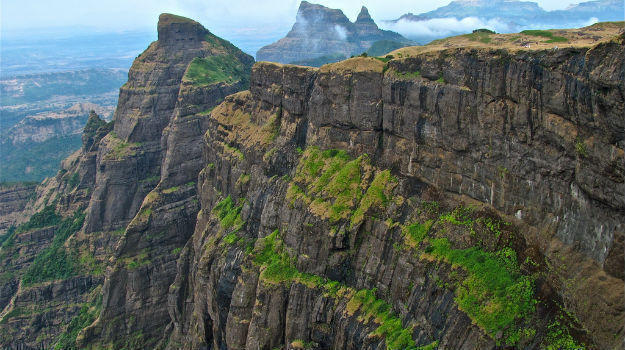
Trek to Harischandragad is known to be one of the best treks in the Sahyadri ranges and is known as ‘Trekkers Paradise’. Harischandragad is a hill fort in Malshej Ghat ranges, in the Indian State of Maharashtra. There are three routes to reach Harischandragad Temple . The first route is Nali chi vat- very difficult one, the second ascends via Khireshwar- also a difficult one and the third ascends via Paachnai- the simple one.
DAY 1
ENROUTE TO KHIRESHWAR VILLAGE
Our route was Mumbai-Kalyan-Malshej Ghat-Khubi Phata-Khireshwar.
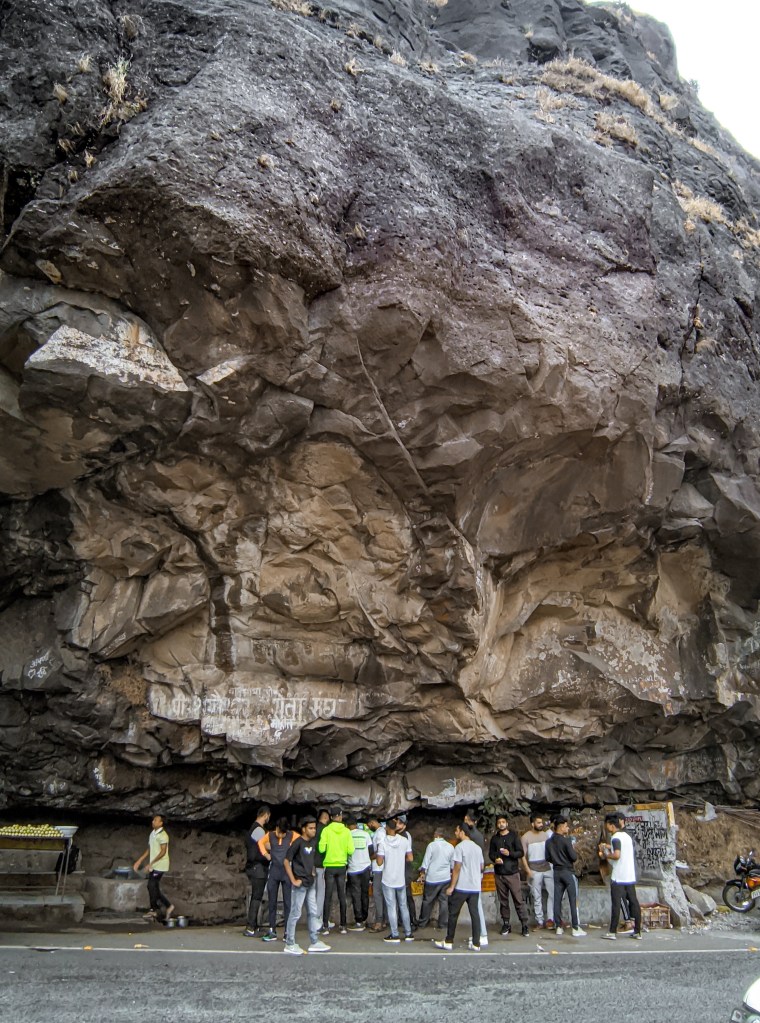
We started our journey from Kalyan to Khubi phata at around 10.30 PM by public transport . At around 1 AM, we reached Khubi phata. Then a 5 km walk through the mud roads beside Pimpalgaon Joge dam. It was a nice walkway with windy breeze. Reached Khireshwar village at around 2.30 am and slept in an open space.
DAY 2
VILLAGE LIFE
The dam and the surrounding area offers a scenic view of the area. I walked through the village enjoying village life and sun rise. Farming is done around the houses. The lush green fields and the houses in the village is a sight to behold.
THE TREK
Post breakfast at the village, we started our walk.
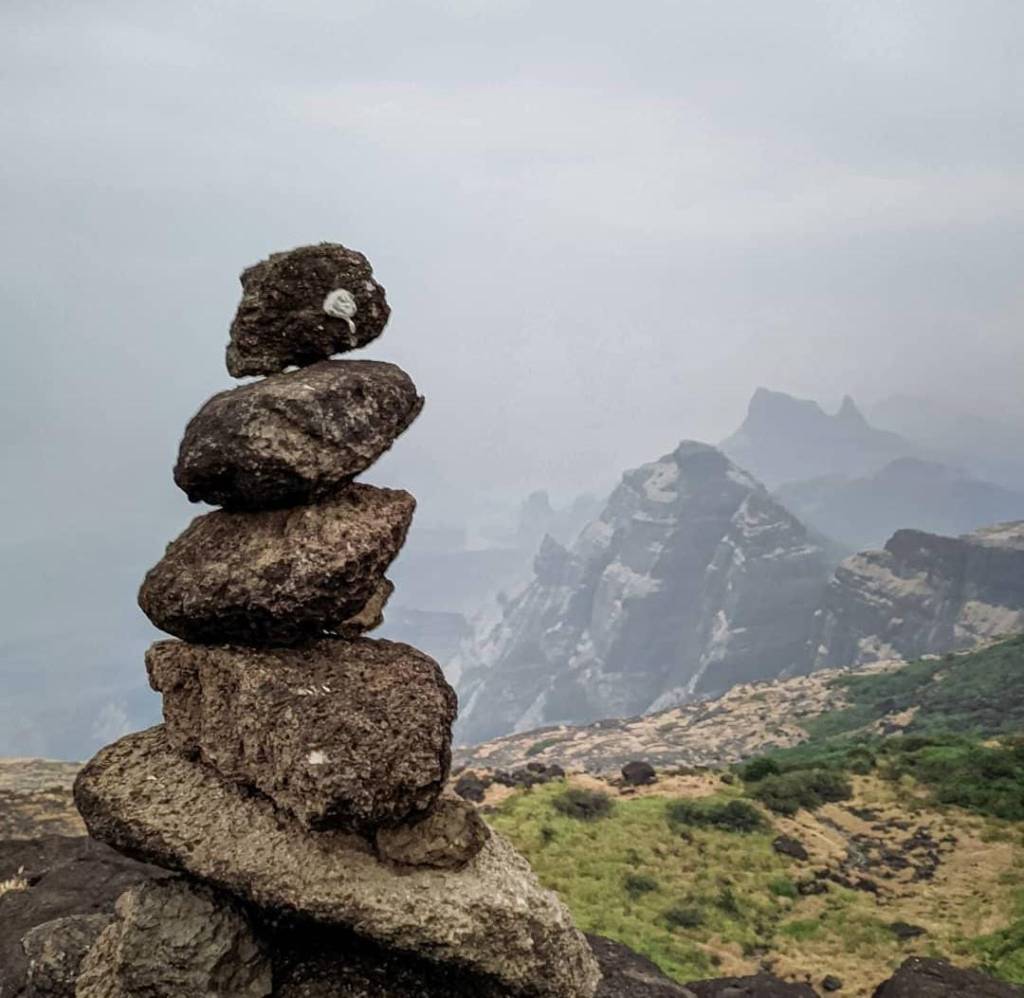
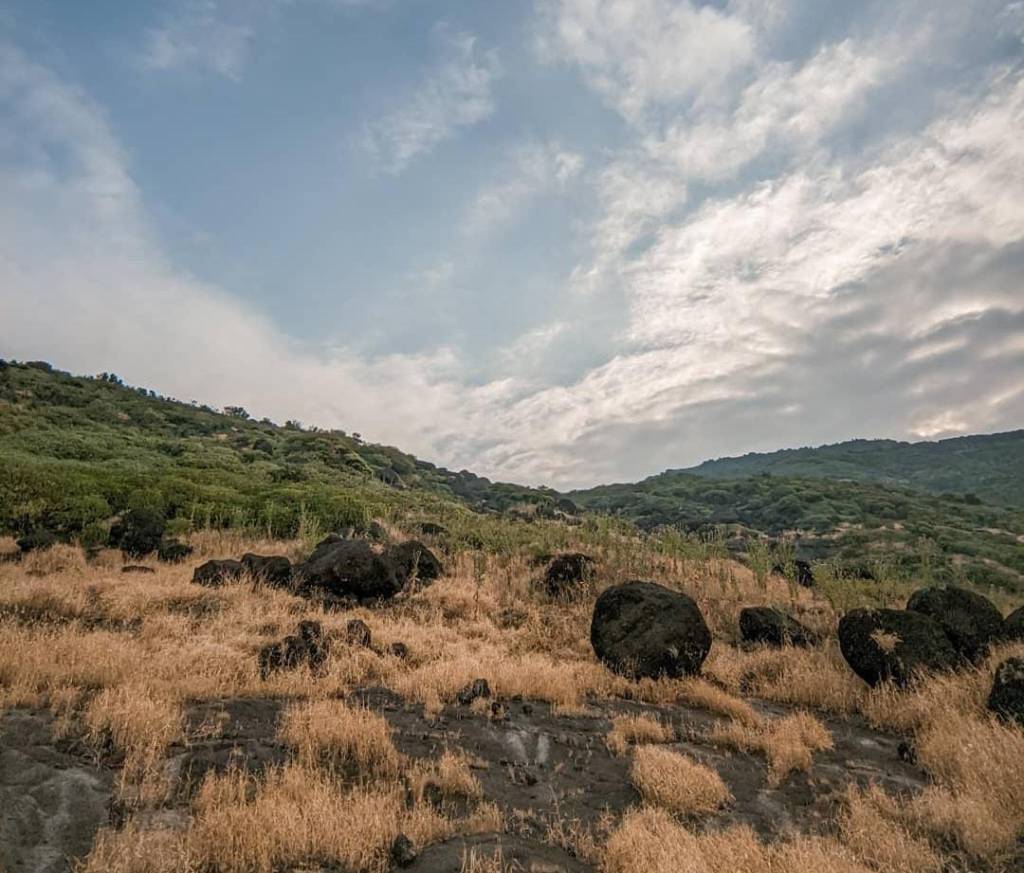
Then the trek towards Tolar Khind began. There are rock patches in between. Soon we reached Tolar Khind. Tolar Khind also offers a great view of the Konkan hills.The good thing about this trek is that the way to Harischandragad Temple is well-marked .
Next part of the trek is somewhat dangerous. Here you have to cross vertical rock patches and there are broken railing support in few areas. I had to climb this steep and elevated path . I started my climb. My legs were shivering. But I managed to climb the path with ease.There was a huge valley beside me. We were walking through a vertical path full of slippery rocks.
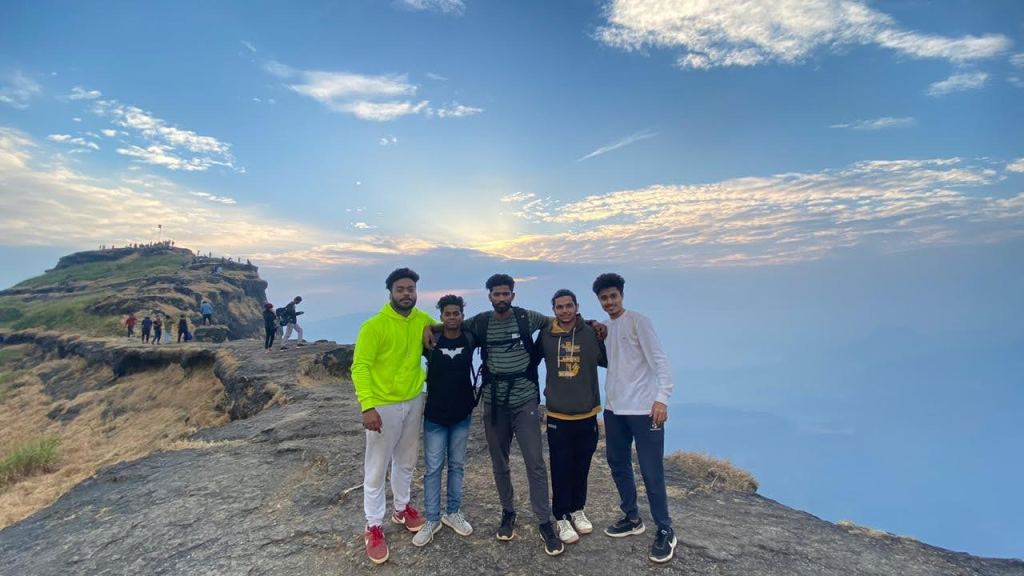
Once you cover the rock patch, a vast area will welcome you. Next part of the trek is a simple walk. It is the place worth visiting for all nature lovers. Its beauty enhances in monsoon season.
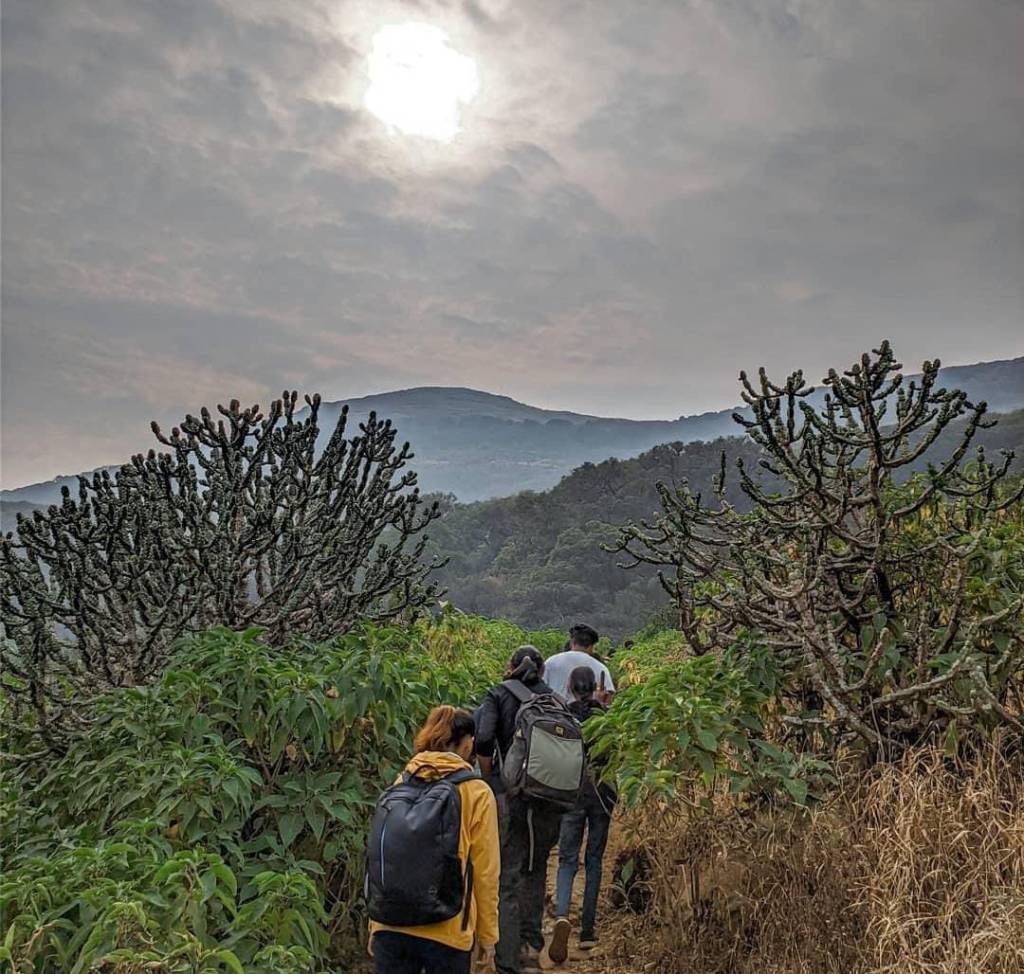
There are a couple of huts selling lemon water, buttermilk, snacks etc. The plateau is rich in flora and fauna, lots of wildflowers and butterflies can be seen. There are carpets of Sonki flowers all along the route in the month of October. Then the trek goes through a narrow foot path. Though the trek is a test of your endurance, it is quite worth for the scenic view it offers. The long stretches of greenery is simply mesmerizing to watch.
The forest path is a paradise for nature lovers as it hosts several exotic species of wildlife. Trekking with greenery and fresh wind is a remarkable experience. We identified snakes butterflies, and birds on the way
This post is part of the Chakras Series. We started by covering what the chakras are and what they represent (Read “What Are The 7 Chakras And Why Do They Matter?”).
In this post, we will focus specifically on the Heart Chakra.
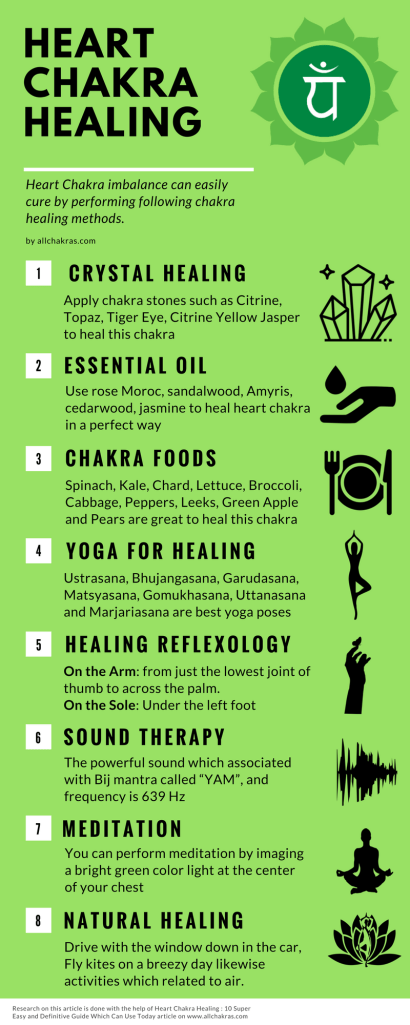
Also known as: Anahata. The word Anahata means “unhurt, unstruck, and unbeaten”. Location: In the center of the chest (the energy center is not located where our actual heart organ lies, but in the center of the chest area). Color: green. What it represents: I LOVE. Known as the fourth chakra, it represents your ability to love. It is also the center of compassion — both for yourself and others. As the bridge between your lower three chakras and upper three chakras, Anahata is all about balancing yourself, your relationship to others and to the environment. Linked to: Love, joy, inner peace. At a physical level, the heart chakra is associated to the cardiac system and the lungs. These organs are interdependent and rely on air and breathing to function properly. The gland associated with the heart chakra is the thymus, which regulates the immune system. You have a balanced heart chakra when: You feel deeply connected, in harmony with everything and everyone around you, appreciating beauty and feeling good vibes. You have a blocked heart chakra when: You experience difficulties relating to others, feelings of jealousy, loneliness, codependency, or being withdrawn. Healing foods: Vibrant green nutrient-rich vegetables, especially leafy and cruciferous ones like kale, lettuces, spinach, chard, bok choy, collard greens, and broccoli. Green water-based alkalizing fruits, such as limes, green apples, and avocados, will also help balance your heart chakra. Green beans (including lima and mung beans), green tea and spices such as basil, thyme, and cilantro will help charge your heart chakra. Healing yoga poses: Poses that create space around your heart area, called “heart opening poses”. When you are in a pose, try to breathe deeply and set an intention that helps you feel love and acceptance. Ideas can be “I live with an open heart” or “I love”.
How To Balance Your Heart Chakra
This post is part of the Chakras Series. We started by covering what the chakras are and what they represent (Read “What Are The 7 Chakras And Why Do They Matter?”).
In this post, we will focus specifically on the Heart Chakra.
Also known as: Anahata. The word Anahata means “unhurt, unstruck, and unbeaten”.
Location: In the center of the chest (the energy center is not located where our actual heart organ lies, but in the center of the chest area).
Color: green.
What it represents: I LOVE. Known as the fourth chakra, it represents your ability to love. It is also the center of compassion — both for yourself and others. As the bridge between your lower three chakras and upper three chakras, Anahata is all about balancing yourself, your relationship to others and to the environment.
Linked to: Love, joy, inner peace. At a physical level, the heart chakra is associated to the cardiac system and the lungs. These organs are interdependent and rely on air and breathing to function properly. The gland associated with the heart chakra is the thymus, which regulates the immune system.
You have a balanced heart chakra when: You feel deeply connected, in harmony with everything and everyone around you, appreciating beauty and feeling good vibes.
You have a blocked heart chakra when: You experience difficulties relating to others, feelings of jealousy, loneliness, codependency, or being withdrawn.
Healing foods: Vibrant green nutrient-rich vegetables, especially leafy and cruciferous ones like kale, lettuces, spinach, chard, bok choy, collard greens, and broccoli. Green water-based alkalizing fruits, such as limes, green apples, and avocados, will also help balance your heart chakra. Green beans (including lima and mung beans), green tea and spices such as basil, thyme, and cilantro will help charge your heart chakra.
Healing yoga poses: Poses that create space around your heart area, called “heart opening poses”. When you are in a pose, try to breathe deeply and set an intention that helps you feel love and acceptance. Ideas can be “I live with an open heart” or “I love”.
“Here are my favorite yoga poses to stimulate the heart chakra”
Bhujangasana. Cobra Pose is best known for its ability to increase the flexibility of the spine. It stretches the chest and opens up the heart chakra, while strengthening the spine and shoulders. It also helps to open the lungs, which is therapeutic for asthma. This pose also stimulates the abdominal organs, improving digestion.
Urdhva Mukha Svanasana. This posture is similar to the previous one, but the backbend is more intense. Once you’ve held Bhujangasana for a few breaths, lay back down and place the palms of your hands down at the sides of your waist. On an inhale, push away from the floor with your hands so that you maintain a straight line from your shoulders to your wrists. To get a deeper stretch, lift your legs off the floor.
Purvottanasana. Reverse Plank Pose strengthens your arms, legs, back, and core while opening your heart center up towards the sky. If this posture is too hard on your wrists, bend your knees and do Reverse Table Top pose instead.
Setu Bandha Sarvangasana. Bridge Pose opens the chest, heart and shoulders. It opens up the heart chakra, stretches the spine, the back of the neck, the thighs, and the hip flexors. It helps calm the mind, relief stress, fatigue, anxiety, headaches, insomnia and mild depression. It helps lower blood pressure and increase lung capacity.
Dhanurasana. Bow Pose stretches the entire front of the body, opening the heart chakra while simultaneously strengthening every muscle in the back. This improves posture and spinal flexibility. Additionally, the pose helps to open the chest, abdomen, quadriceps, ankles, groins, hip flexors, and throat.
Urdhva Dhanurasana. Wheel Pose opens the heart chakra, stretches the spine, shoulders, chest, upper back and thighs. It also strengthens the arms, wrists, spine, legs, and abdomen. If this pose is new to your practice, please get assistance from a teacher before trying. Alternatively, just repeat Bridge Pose.
Besides heart opening poses, you will also balance your heart chakra by allowing yourself to live with an open heart. Work on your tolerance and flexibility towards others, accept and embrace yourself and let go of negativity. Acceptance and forgiveness are needed to open and balance your heard chakra, so you can truly experience happiness and wholeness.
This is an example post, originally published as part of Blogging University. Enroll in one of our ten programs, and start your blog right.
You’re going to publish a post today. Don’t worry about how your blog looks. Don’t worry if you haven’t given it a name yet, or you’re feeling overwhelmed. Just click the “New Post” button, and tell us why you’re here.
Why do this?
Because it gives new readers context. What are you about? Why should they read your blog?
Because it will help you focus you own ideas about your blog and what you’d like to do with it.
The post can be short or long, a personal intro to your life or a bloggy mission statement, a manifesto for the future or a simple outline of your the types of things you hope to publish.
To help you get started, here are a few questions:
Why are you blogging publicly, rather than keeping a personal journal?
What topics do you think you’ll write about?
Who would you love to connect with via your blog?
If you blog successfully throughout the next year, what would you hope to have accomplished?
You’re not locked into any of this; one of the wonderful things about blogs is how they constantly evolve as we learn, grow, and interact with one another — but it’s good to know where and why you started, and articulating your goals may just give you a few other post ideas.
Can’t think how to get started? Just write the first thing that pops into your head. Anne Lamott, author of a book on writing we love, says that you need to give yourself permission to write a “crappy first draft”. Anne makes a great point — just start writing, and worry about editing it later.
When you’re ready to publish, give your post three to five tags that describe your blog’s focus — writing, photography, fiction, parenting, food, cars, movies, sports, whatever. These tags will help others who care about your topics find you in the Reader. Make sure one of the tags is “zerotohero,” so other new bloggers can find you, too.

 Adyy.blog